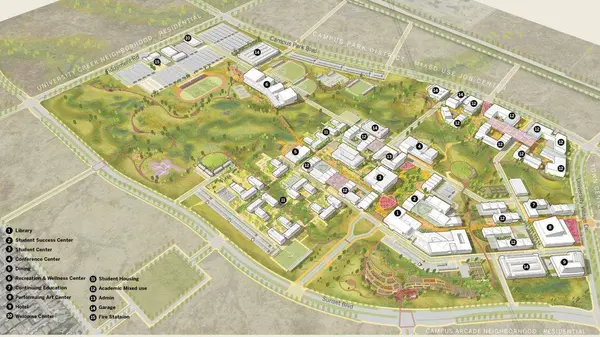
How Far West and North Roseville Is Actually Growing
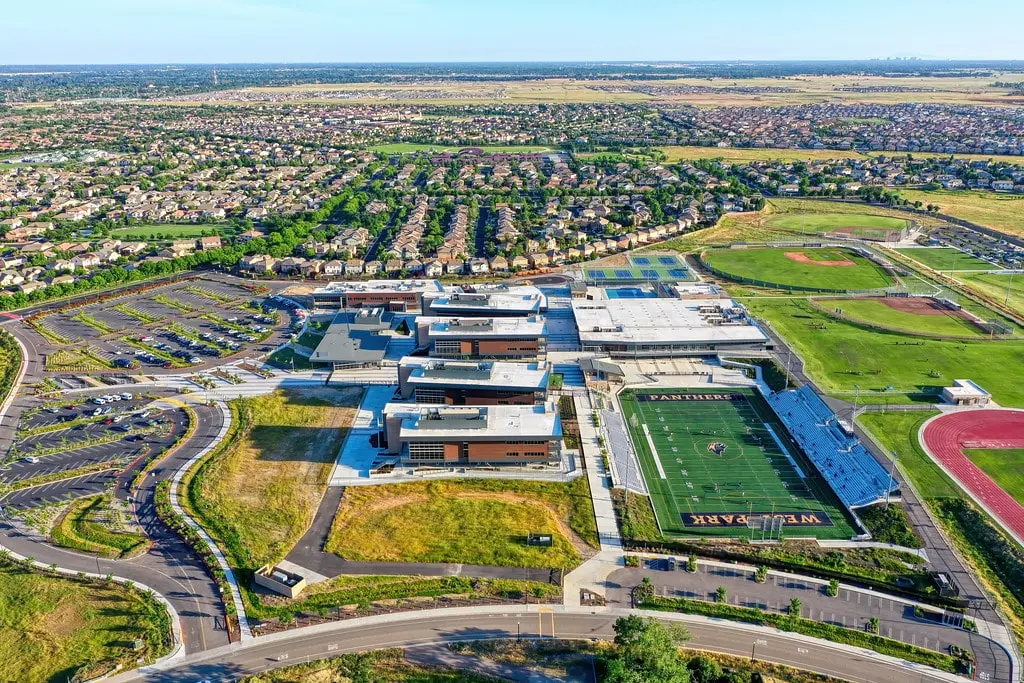
If you haven’t driven through Westpark and north Roseville recently, the scale of what’s being built may surprise you.
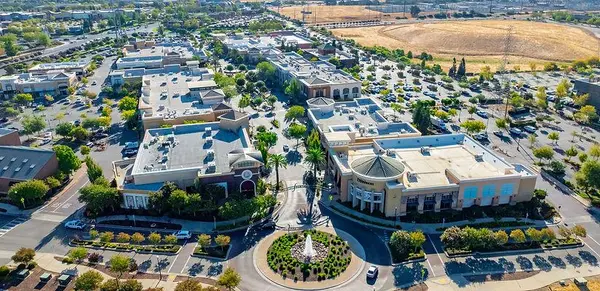
What used to feel like the edge of town is now part of a much larger development picture — one that includes new housing, age-specific communities, sports facilities, and direct access to major roadways. Seeing it in person makes it clear: growth in Roseville isn’t just happening west anymore — it’s moving north.
This is a look at what’s taking shape, where it’s happening, and why the geography matters more than most people realize.
Westpark as the Starting Point
Westpark has become the reference point for growth in Roseville. Many residents already associate this area with newer construction, wider streets, and planned neighborhoods — and for good reason.
What’s important now is that Westpark is no longer the endpoint. It’s the beginning of a much longer development corridor that continues north and northwest, tying together housing, amenities, and access routes that didn’t exist even a few years ago.
New 55+ Communities Along the Westpark–Blue Oaks Corridor
One of the more notable developments along this stretch is the addition of new 55+ communities.
These aren’t isolated projects. They’re being built intentionally near retail corridors, roadway access, and daily conveniences — signaling that future growth in Roseville isn’t just about first-time buyers or growing families.
Age-specific housing at this scale usually shows up when a city is planning for residents to stay long-term, not move away. It reflects a shift toward full lifecycle planning within the same geographic area.
Sports Facilities and Lifestyle Infrastructure
Along the same corridor sits the newer soccer facility that’s been discussed recently.
Facilities like this don’t exist on their own. They’re positioned where the city expects population density, family activity, and long-term use to continue increasing. For people relocating from the Bay Area, this type of infrastructure is often just as important as the housing itself.
It’s another sign that west and north Roseville are being built as complete environments — not just rows of homes.
New Housing Developments Off Sunset
This is the part most locals don’t fully realize yet.
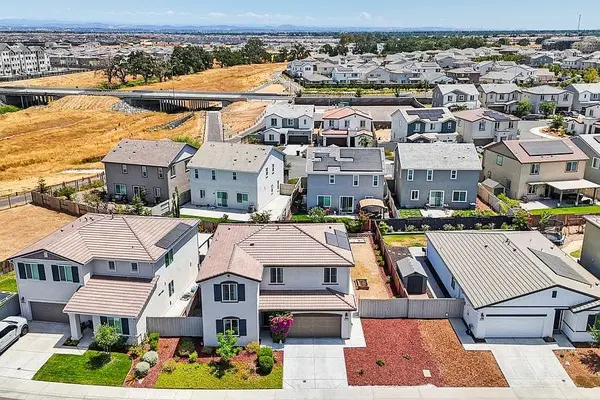
Driving north toward Sunset Boulevard, you start to see how far development has already pushed — and how much is still planned. New housing projects in this area dramatically change the mental map of Roseville, especially for homeowners in Roseville, Rocklin, and Granite Bay who haven’t spent much time this far north.
What once felt distant is now clearly connected.
Proximity to I-65 and Thunder Valley Casino
One of the biggest misconceptions about north Roseville development is access.
From these newer housing areas, proximity to I-65 and Thunder Valley is much closer than most people expect. That matters for commuting patterns, regional travel, and even for Bay Area relocators who still move back and forth regularly.
North Roseville is no longer “out there.” It’s becoming a connected extension of the city with direct access to major routes and destinations.
Why the Geography Matters
The most important takeaway isn’t just what’s being built — it’s where.
Westpark flows into Blue Oaks.
Blue Oaks leads north toward Sunset.
Sunset connects quickly to I-65 and regional hubs.
That continuity is what changes how this part of Roseville functions. It’s also what makes this stage of development different from earlier growth cycles.
For buyers, homeowners, and relocators alike, understanding the direction of expansion matters just as much as understanding today’s neighborhoods.
My final thoughts
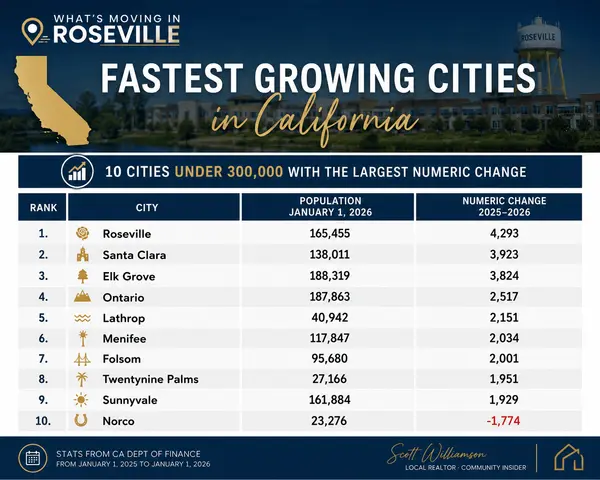
With the growth happening around us, it can sometimes feel like the Bay Area is moving in our direction — and in some ways, it is. We continue to see people relocating from the Bay Area, and that shows up not just in housing, but in roadway expansion and infrastructure planning.
Overall, this kind of growth has been positive for the local economy and for how the city is planning long term. If you haven’t taken a drive through Westpark or up toward the newer developments off Sunset lately, it’s worth the time. Seeing it in person really changes how you understand where Roseville is headed.
Categories
- All Blogs 32
- Around Town 2
- Before You Sell 1
- Community Development 1
- Community Growth 2
- Community Trends 1
- Community Updates 1
- Established Neighborhoods 1
- Growth & Development 1
- Holidays & Seasonal 1
- Home Buying 1
- Home Preparation 1
- Home Strategy 3
- Home Transitions 1
- Homeowner Perspective 1
- Homeownership 1
- Housing Market Updates 3
- Johnson Ranch 1
- Living in Roseville 2
- Local Developments 1
- Local Growth & Change 1
- Local Insights 2
- Local Lifestyle Day Trips & Experiences Roseville & Foothill Living 1
- Local Living 6
- Local Market Insights 2
- Local Spotlight, Community & Lifestyle 1
- Market Perspective 2
- Market Trends 1
- New Development 1
- Northern California 1
- Outdoor Recreation 2
- Placer County Real Estate 5
- Planning Ahead 1
- Preparing Your Home 1
- Relocation 2
- Roseville & Rocklin 1
- Roseville Community News, 1
- Roseville Growth 1
- Roseville Lifestyle 2
- Roseville Neighborhoods 1
- Roseville Real Estate 9
- Roseville, Local Updates 2
- Selling Strategy 1
- Selling Your Home 3
- Things To Do Near Home 2
- What's Moving in Roseville 1
- What’s Moving in Roseville 1
Recent Posts